26/10-1/11 2026 MALMÖ SWEDEN
HHW-MALMO%CC%88%20PORTRAIT-21%20(300dpi).jpg)
Portraits - Esta Kirabo

ESTA KIRABO; ‘Can you imagine not feeling
anything? What a boring amusement park of a life. I want to ride all these roller coasters, just for the experience.’
The artist and singer on her faith, family and the freedom in jazz.
.jpg)
While prepping for the interview we talk briefly about the first time I came across Esta, at the old jazz club Fasching in Stockholm. Probably more than ten years ago.
Esta counts on her fingers and recalls
Oh shit, It's exactly ten years since I signed my record deal. The Fasching gig was probably when I opened up for the London based artist Fatima. That was the first solo gig I did with my own artist project.
Esta has played numerous times on Fasching in various constellations since then. But I'm curious about the time before that. How did she end up on stage, playing her own songs and when did music come into the picture?
So through church I found gospel and started playing drums. Music was always there and I never really reflected over a specific moment where I was like: “aah i found music”. Since gospel is the foundation for so many genres and the fact that my dad played all types of music at home, it was natural for me to explore other stuff as well.
The older I got, and the more I could relate I found things in other genres that resonated with me. For example the freedom in jazz also appears in the gospel, and I loved the fact that you could start in one place and end up somewhere completely different. You are right in the middle of the playfulness. Jazz for me is the same as gospel, though jazz lyrics are about life experiences while gospel is more framed in a spiritual context. So when I became a teenager, I started to relate to different things, like exploring romantic love and other new life experiences. Jazz was a suitable language for me musically.
I tell her that I have consumed a lot of hip hop, often from the US, and have thought about the role of religion and spirituality in music. Since Sweden is a very secularized country, I wonder if she noticed any change in how she perceived the music. Coming from a church background going into a more institutional or commercial environment.
Absolutely. My first musical education started in high school. It was also the period when you become even more aware of the world and internally, a lot happens to you as well. You become part of the script you are supposed to follow with norms and stuff. I came from the suburbs and started studying in the city. Sometimes I felt like Aladdin, I came to a whole new world. It's so much fun to study with like-minded people, to live, breathe and eat music. But at the same time it was a culture clash to be different or not look like everyone else. You become very self-conscious even if you also feel some kind of belonging. So all those things were spinning around in my head. But because I came from the musical background I did, I still had a very strong identity in who I was and how I preserved music. In the commercial scene and in the high school I went to it was more about the rights and wrong of music. In contrast to the gospel, where it's more about feeling, honesty and conveying. Letting the spirit move through you.
I'm getting myself into a bit of a bind with this question, but I think what I'm trying to ask is how she experiences the differences between having an existing relationship with your spirituality and not having it when it comes to making music. Since a lot of the music comes from a spiritual background. Does your purpose lead you to making it or does making music simply lead you to the purpose?
There are definitely people with deep purpose or meaning in their music without having a spiritual label to it. So I experienced really high quality music and got inspired in high school as well. I can't remember having a lot of discussion about my approach to or my spiritual background in music, but I think it was pretty obvious. People told me that something happened when I sang. I see it as an appointed gift.
My purpose is being as honest and genuine as possible through the gift of expression, music just happened to be the vehicle for my purpose.
So whether it comes from a spiritual background or not, everything is spiritual. At least to me. Then whether people know it or not doesn't really matter. As long as you do your duty and follow your purpose in life you're on the right track.
I'm intrigued by how she describes creating as a duty and I wonder if she feels that this task comes with a responsibility. What would happen if she stopped making music or playing shows? Does she reflect on how her creations affect others?
Kirabo means gift from god. Ever since I was 7 years old and was playing drums in the church, people have confirmed me, and reminded me that this is my path in life. That encouragement and reminder has made it even more obvious to me that this is my calling.
But even if I didn't work with music, let's say I was a videographer or a chef instead. I would still feel that same commitment and purpose. Creating is a service to humanity, in the same way a doctor is in service of humanity. My job is to cook the food, have the right intention and channel it into a meal. Exactly as I do with music. No matter what you do, you impact the world in your own way with the energy and intention you carry. My responsibility doesn't sit in what I do, but how I do it.
.jpg)
We continue to talk about the piece she did at Inkonst during Malmö Dance Week the day before.
This piece is a lot about celebrating the emotions I've been through the past year. It ended up being about how cool it actually is to feel emotions. Experience tears, joy, whatever it is. How amazing it is to feel. And beyond feeling, also just being. Being in your truth. Showing it without proving it. Without it being confirmed as nice, abstract or strange. I'm here to express myself, that's the whole point. Here's my truth, take it or leave it. If you can relate, it's great but if not, that's okay too.
Finding the perspective that we are here to experience, feel and share/express, thats what the piece yesterday was about. To be beautiful, messy, chaotic, sad, lost, ambitious, hopeful and everything it means to be human. That's a worthwhile life.
Can you imagine not feeling anything? What a boring amusement park of a life. I want to ride all these roller coasters, just for the experience.
I ask how much of other people's opinions she lets in and whether what people think, positively or negatively, affects the music she makes later on.
Esta laughs and continues.
If I've done my morning meditation, I have better control over whether to let other people's opinions seep in or not.
Being creative is a sensitive craft, it takes a lot of self awareness and emotional regulation. But at the end of the day it's also about how you view other people's opinions about you or your work.
Interlocutor: Mattis
Photographs by Sophie Tracy May
October 30, 2024
Shot at Surr Malmö 2024
MORE INFO COMING SOON
One week of dance, clubs, workshops, exhibitions, movies and celebration. The events are spread across our city. You can buy a full week pass, a one day pass, or just a ticket for one event. We’ll see you soon. Tickets available soon.
buy ticketsview PROGRAM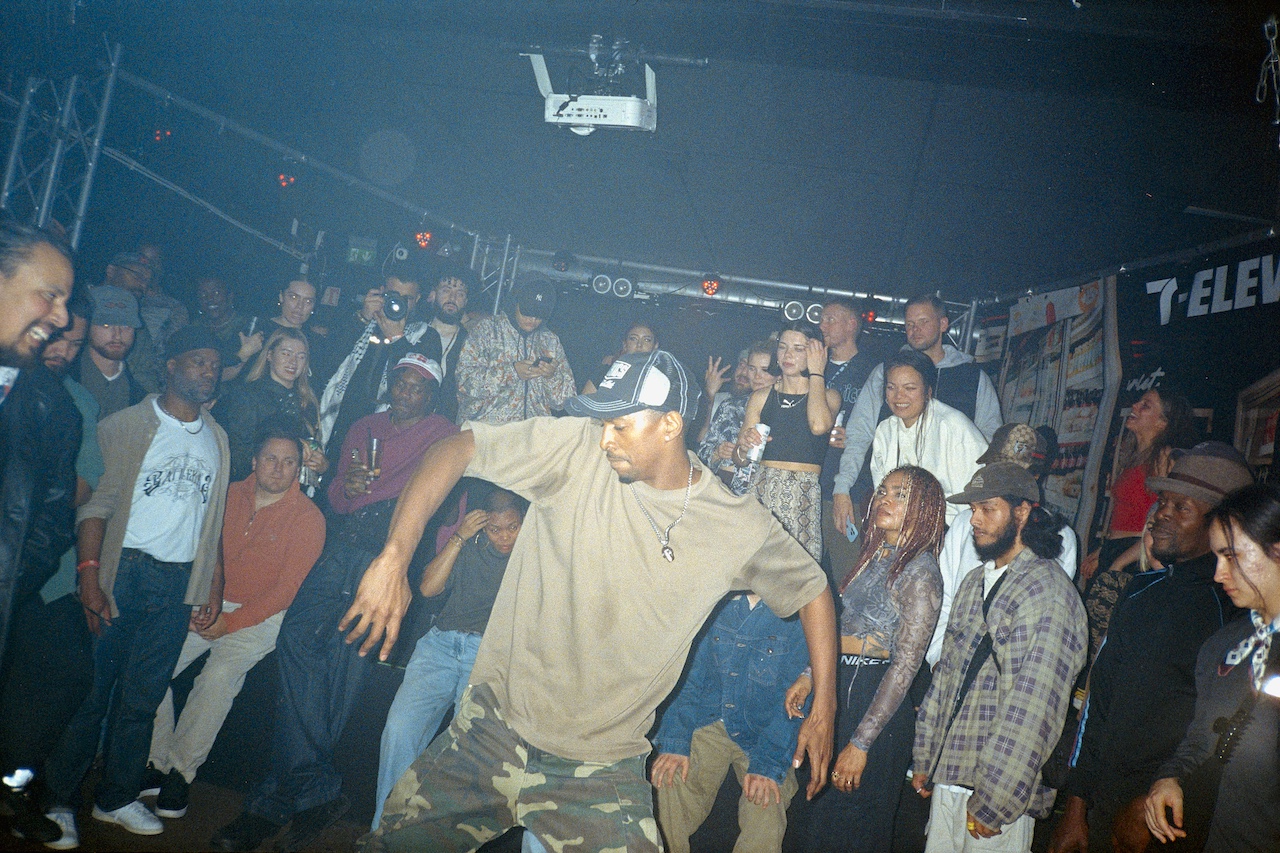
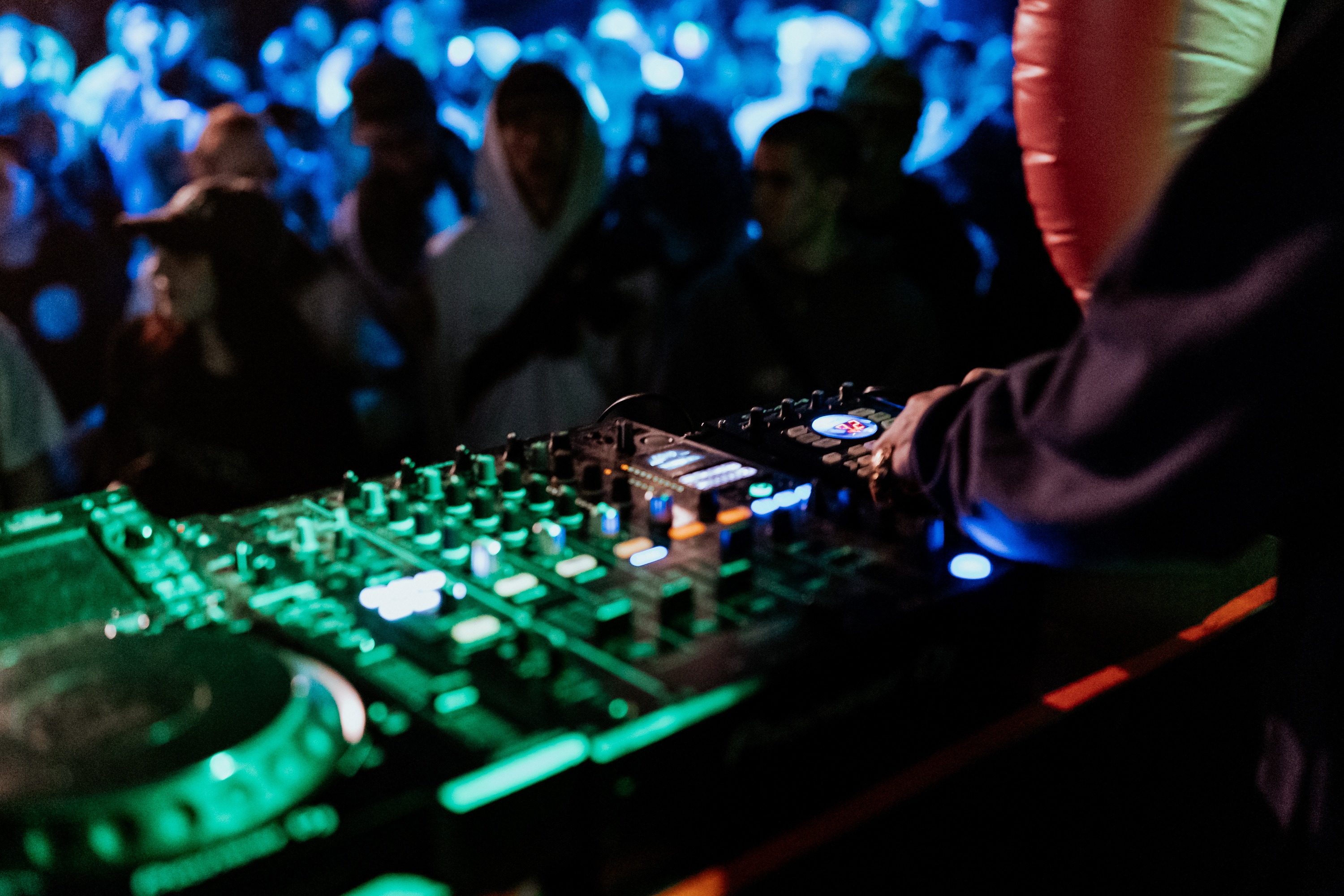

Welcome to a block party with Dance Battles, Live Performers, and Dance Shows.
read article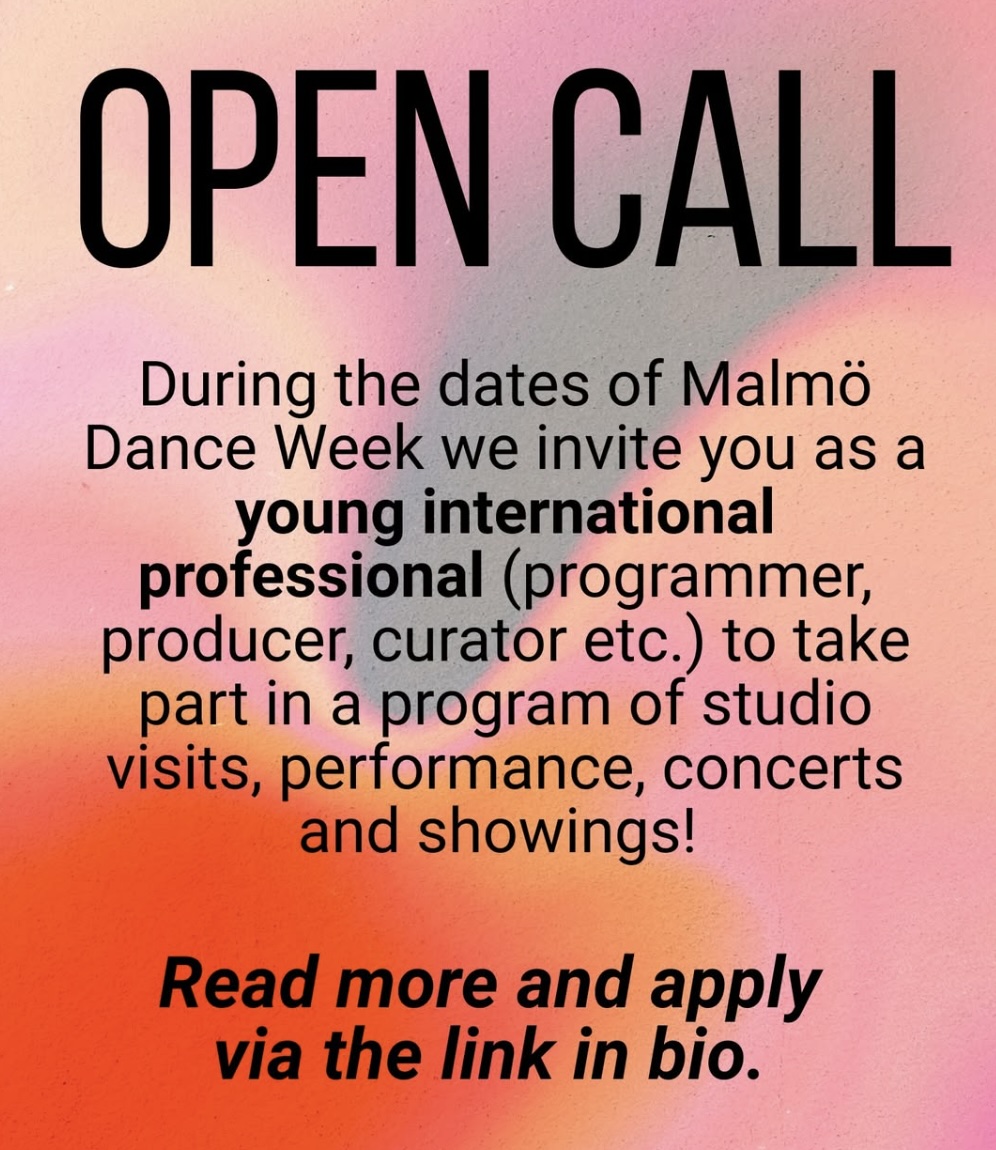
We invite you as a young international professional (programmer, producer, curator or so on) to take part of a program!
read article.jpg)
Open call for artists in the street and club dance field.
read article